

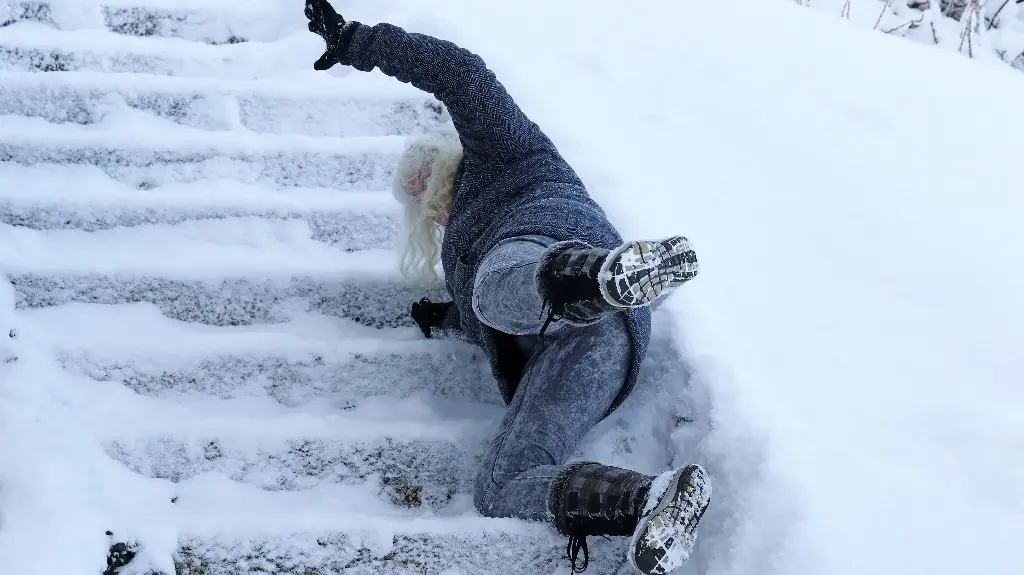
Snow and ice accidents are extremely common in New York, especially during the winter months. But many people don’t realize that these cases are very different from typical slip and fall accidents—and those differences can make or break your personal injury claim.
If you’ve been injured in a snow or ice accident, understanding your rights and what steps to take immediately can have a major impact on your case. In this guide, we’ll explain how these cases work, what property owners are responsible for, and how to protect your claim.
What Makes Snow and Ice Accidents Different?
Unlike other slip and fall cases, snow and ice conditions are temporary and constantly changing.
Snow melts. Ice disappears. Conditions shift quickly.
This means:
- Critical evidence can vanish within hours
- Property conditions may look completely different the next day
- Delays can weaken or even destroy your case
Because of this, timing and documentation are everything in snow and ice injury cases.
What Is the “Storm-in-Progress” Rule in New York?
One of the most important legal concepts in these cases is the storm-in-progress rule.
Here’s what it means:
- Property owners are not required to remove snow or ice during an active storm
- They are only responsible after the storm ends
- They must act within a reasonable amount of time
This rule often becomes the central issue in determining liability.
What Is Considered a “Reasonable Time”?
There is no fixed timeline for what counts as a reasonable amount of time.
Instead, courts look at several factors, including:
- When the storm officially ended
- How long the hazard existed after the storm
- Whether the property owner took action
- Conditions on nearby properties
For example:
- If neighboring buildings cleared their sidewalks quickly, but one property didn’t, that may show negligence.
Every case is unique, and these details are critical in building a strong claim.
Who Is Responsible for Snow and Ice Injuries?
Liability depends on the type of property where the accident occurred.
Private Homes
- Typically, the homeowner is responsible
Commercial Properties
- Responsibility may include:
- Property owners
- Business tenants
- Snow removal companies
City-Owned Property
- In some cases, the city may be liable
- Special rules and deadlines often apply
Because multiple parties may be involved, identifying who is responsible is a key step in these cases.
What Evidence Is Needed to Prove Your Case?
Strong evidence is essential—especially because conditions disappear quickly.
Important evidence includes:
- Photos of the scene (with property address visible)
- Pictures from multiple angles
- Weather reports showing storm timing
- Witness statements
- Incident reports
- EMS or ambulance records
Even small details—like showing the exact location—can significantly strengthen your case.
Why Reporting the Accident Immediately Matters
Failing to report your accident right away can seriously hurt your claim.
Here’s why:
- Evidence may disappear
- Property owners may deny the incident
- Witnesses may become unavailable
Always:
- Notify the property owner or manager
- File an incident report
- Document everything as soon as possible
Prompt reporting helps preserve your rights and supports your case.
Don’t Delay Medical Treatment
Sometimes injuries don’t appear immediately—but waiting to seek treatment can create problems.
Risks of delaying medical care:
- Insurance companies may argue your injuries aren’t related
- Medical records won’t support your claim
- Your condition may worsen
Even if your symptoms seem minor, get evaluated right away.
What to Do After a Snow and Ice Accident
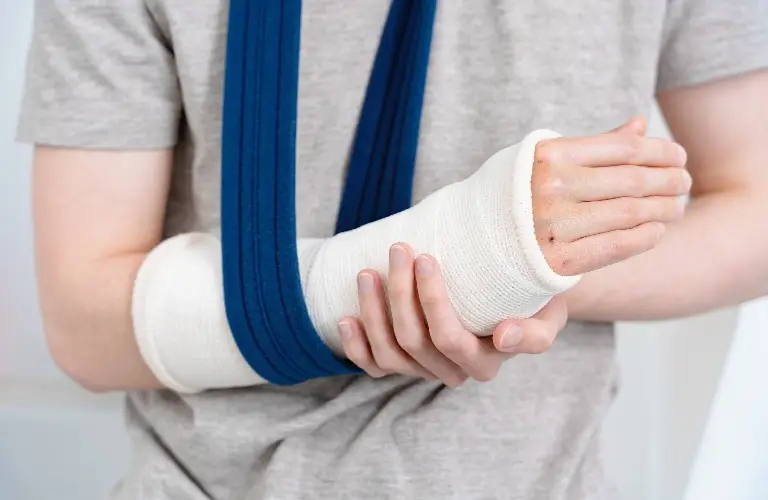
If you’re injured in a snow or ice accident, take these steps immediately:
1. Take Photos
- Capture the snow/ice condition
- Include the property address
- Take multiple angles
2. Report the Incident
- Notify the property owner, landlord, or business
- Request a written report
3. Get Witness Information
- Names and contact details
4. Seek Medical Attention
- Even if injuries seem minor
5. Consult a Personal Injury Attorney
- The sooner, the better
These steps can make a significant difference in the outcome of your case.
Conclusion
Snow and ice accidents in New York are complex—and timing is everything. Between the storm-in-progress rule, rapidly changing conditions, and multiple potentially responsible parties, these cases require careful documentation and quick action.
If you’ve been injured, don’t wait. Taking the right steps early can protect your rights and strengthen your claim.
Call to Action
If you have questions about a snow and ice accident or believe you may have a case, contact the Law Office of Lizzette Muniz today to schedule a consultation.